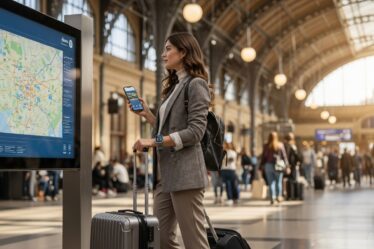
Travel today is no longer about simply reaching a destination. It is about making informed decisions, managing time and money wisely, and creating meaningful experiences without unnecessary stress. A smart traveller understands that preparation, awareness, and adaptability are just as important as curiosity and adventure. With changing travel trends, rising costs, and evolving technology, traveling smart has become a skill that anyone can learn and refine.
In this guide, we explore what it truly means to be a smart traveller and how you can apply practical strategies before, during, and after your journey to travel better, safer, and more efficiently.
Understanding the Smart Travel Mindset
A smart traveller does not rely on luck. Instead, they rely on research, planning, and flexibility. This mindset focuses on value rather than price alone, experiences rather than checklists, and safety rather than assumptions. Traveling smart means knowing when to plan in advance and when to stay flexible.
This approach helps travelers avoid common pitfalls such as overspending, falling for tourist traps, or wasting precious time. It also encourages respect for local cultures, responsible choices, and a deeper connection with each destination.
Planning Ahead Without Overplanning
Preparation is the foundation of smart travel, but there is a fine line between planning and overplanning. A smart traveller researches destinations thoroughly, understands visa requirements, weather patterns, local customs, and transportation options, yet leaves room for spontaneity.
Instead of building a rigid schedule, smart planning involves identifying priorities. Knowing which attractions require advance booking, which areas are best explored freely, and which days should remain open helps create balance. This approach reduces stress and allows travelers to adapt when unexpected opportunities arise.
Choosing the Right Destination at the Right Time
Timing can significantly impact your experience. A smart traveller considers peak seasons, local festivals, and climate conditions before choosing travel dates. Traveling during shoulder seasons often results in lower costs, fewer crowds, and a more authentic experience.
Understanding local calendars also helps avoid closures, overcrowding, or inflated prices. This kind of timing awareness can transform an average trip into an exceptional one.
Budgeting Like a Pro
Smart travel is not about traveling cheaply; it is about spending wisely. A smart traveller sets a realistic budget that includes accommodation, transport, food, activities, and a buffer for emergencies. Tracking expenses and understanding local costs prevents unpleasant surprises.
Rather than cutting corners on everything, smart travelers prioritize spending where it matters most. This might mean choosing a centrally located hotel to save on transportation or investing in a guided experience that offers genuine insight into local culture.
Finding Value Beyond Discounts
Discounts and deals are helpful, but value goes beyond price. A smart traveller evaluates what is included, the quality of service, and long-term benefits. Sometimes paying slightly more results in better comfort, safety, or time savings.
This mindset also applies to flights, accommodation, and activities. Understanding cancellation policies, luggage rules, and hidden fees is essential for making truly smart decisions.
Packing with Purpose
Overpacking is one of the most common travel mistakes. A smart traveller packs intentionally, focusing on versatility and practicality. Clothing that can be layered, mixed, and matched reduces luggage weight and stress.
Smart packing also includes organizing essentials such as documents, medications, and electronics in a way that allows quick access. Carrying digital copies of important documents and using packing cubes or organizers can make a noticeable difference during the trip.
Essentials That Matter Most
Experienced travelers know that some items are always worth carrying. Comfortable shoes, a compact first-aid kit, and weather-appropriate gear are far more valuable than extra outfits. A smart traveller also considers local conditions, such as power plug types or cultural dress expectations, before packing.
Navigating Transportation Efficiently
Transportation can shape your entire travel experience. A smart traveller understands local transport systems and chooses options that balance cost, convenience, and safety. This might mean using public transport in one city and ride-sharing or walking in another.
Learning basic routes, ticket systems, and peak hours helps avoid confusion and delays. Even simple preparation, such as downloading offline maps, can save time and reduce frustration.
Making the Most of Travel Time
Time is a valuable resource when traveling. A smart traveller plans routes to minimize unnecessary transfers and chooses travel times that align with energy levels. Night trains or early flights might save money, but they should only be chosen if they do not compromise rest and well-being.
Staying Safe Without Fear
Safety is a priority, but it should not limit exploration. A smart traveller stays informed about local conditions, understands common scams, and remains aware of surroundings without being anxious. Confidence, combined with caution, is key.
Blending in, respecting local norms, and avoiding risky situations significantly reduce problems. Smart travelers also share itineraries with trusted contacts and know how to access local emergency services if needed.
Health and Well-Being on the Road
Maintaining health while traveling is part of being a smart traveller. This includes staying hydrated, eating balanced meals, and getting enough rest. Understanding local healthcare options and carrying travel insurance adds an extra layer of security.
Listening to your body and adjusting plans when necessary ensures that travel remains enjoyable rather than exhausting.
Using Technology Wisely
Technology is one of the greatest tools available to modern travelers, but only when used thoughtfully. A smart traveller uses apps for navigation, language assistance, budgeting, and bookings, while avoiding overdependence.
Keeping devices secure, using trusted networks, and managing battery life are essential habits. Offline access to maps and documents is particularly useful in areas with limited connectivity.
Digital Balance While Traveling
Being connected is helpful, but constant screen time can detract from the experience. A smart traveller uses technology as a support tool, not a distraction. Taking time to observe, interact, and be present enhances the quality of travel memories.
Cultural Awareness and Responsible Travel
Travel is not just about seeing new places; it is about engaging respectfully with different cultures. A smart traveller learns basic phrases, understands social norms, and approaches differences with curiosity rather than judgment.
Responsible choices, such as supporting local businesses and minimizing environmental impact, contribute positively to destinations. These actions create more meaningful experiences and help preserve places for future travelers.
Creating Genuine Connections
Some of the most memorable travel moments come from simple interactions. A smart traveller values conversations, local recommendations, and shared experiences over rushing from one attraction to another. These connections add depth and authenticity to any journey.
Adapting When Plans Change
No matter how well you prepare, travel rarely goes exactly as planned. Flights get delayed, weather changes, and unexpected challenges arise. A smart traveller remains flexible and solution-focused in these moments.
Viewing disruptions as part of the adventure rather than failures reduces stress. Adaptability allows travelers to discover alternatives that can be just as rewarding as the original plan.
Learning from Every Journey
Each trip offers lessons that improve future travel. A smart traveller reflects on what worked well and what could be improved. This ongoing learning process builds confidence and efficiency over time.
Keeping notes, photos, or travel journals helps capture insights and memories. These reflections make every subsequent journey smoother and more enjoyable.
Conclusion: Travel Smarter, Travel Better
Becoming a smart traveller is not about perfection or control. It is about awareness, preparation, and thoughtful choices that enhance every aspect of the journey. By planning wisely, spending intentionally, staying flexible, and respecting the world around you, travel becomes richer and more rewarding.
Smart travel empowers you to focus less on problems and more on experiences. With the right mindset and practical strategies, every trip becomes an opportunity to explore confidently, connect deeply, and return home with lasting memories.