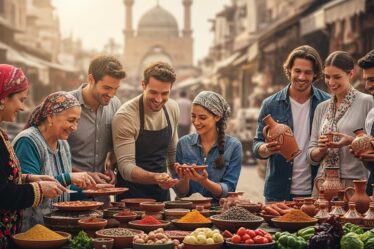
The Central Valley of California is one of the most remarkable regions in the United States, yet it often flies under the radar for travelers and even locals. Stretching over 450 miles from north to south, this vast expanse is a hub for agriculture, commerce, and cultural diversity. The Central Valley is not just a patchwork of farms and orchards; it is a living, breathing ecosystem where modern industry and natural beauty coexist. This article will explore the Central Valley’s unique characteristics, its economic importance, recreational opportunities, and why it continues to be an essential part of California’s identity.
Geography and Climate of the Central Valley
The Central Valley is divided into two major sections: the Sacramento Valley in the north and the San Joaquin Valley in the south. These two subregions are separated by the Tehachapi Mountains but share many characteristics, including fertile soil, a relatively flat landscape, and a Mediterranean climate with hot, dry summers and mild, wet winters.
This climate and geography make the Central Valley one of the most productive agricultural regions in the world. The valley’s soil is rich in nutrients, thanks to thousands of years of sediment deposits from surrounding mountain ranges. Additionally, the region benefits from an extensive irrigation system that channels water from the Sierra Nevada and other sources, ensuring that crops thrive even during dry periods.
Agriculture: The Heartbeat of the Central Valley
Agriculture is the cornerstone of the Central Valley economy. The valley produces more than half of the fruits, vegetables, and nuts grown in the United States. Almonds, grapes, tomatoes, and citrus are just a few of the crops that thrive in this fertile land. The region’s farms range from small family-owned operations to massive industrial farms, creating a diverse agricultural landscape.
One of the remarkable aspects of the Central Valley is the innovation within its agricultural sector. From precision irrigation systems to drone-assisted crop monitoring, farmers in the valley are constantly adopting new technologies to maximize yield and minimize environmental impact. This combination of tradition and modernity has positioned the Central Valley as a global leader in agriculture, feeding millions of people both domestically and internationally.
Economy and Industry Beyond Agriculture
While agriculture defines the Central Valley, the economy is far more diverse than just farming. Logistics and transportation play a significant role, thanks to the valley’s central location in California. Major highways and railroads connect the Central Valley to ports, cities, and markets across the country, making it a vital hub for goods movement.
Moreover, the region has seen growth in manufacturing, food processing, renewable energy, and technology sectors. Solar farms are increasingly common, taking advantage of the valley’s abundant sunlight. Meanwhile, small towns and cities within the Central Valley are nurturing startups and local businesses, creating opportunities for innovation beyond traditional industries.
Cultural Diversity and Communities
One of the most fascinating aspects of the Central Valley is its cultural diversity. The region is home to a vibrant mix of communities, including Latino, Hmong, Filipino, African American, and Native American populations. This multiculturalism is reflected in the valley’s festivals, cuisine, and local traditions.
Cities like Fresno, Bakersfield, and Modesto offer cultural experiences ranging from art galleries and theaters to music festivals celebrating diverse heritage. In rural areas, local farmers markets and community events provide a glimpse into the valley’s rich cultural tapestry. This blend of traditions makes the Central Valley a unique place to live, work, and visit.
Recreation and Natural Attractions
Despite its agricultural dominance, the Central Valley also offers a variety of recreational activities. Outdoor enthusiasts can explore nearby national parks like Yosemite and Sequoia, which are just a short drive away. For those who prefer water-based recreation, the Sacramento and San Joaquin Rivers offer opportunities for boating, fishing, and kayaking.
Wildlife lovers will appreciate the valley’s wetlands and wildlife refuges, which attract thousands of migratory birds each year. The Central Valley is also dotted with hiking trails, vineyards, and scenic spots where visitors can enjoy California’s natural beauty without venturing into crowded tourist areas.
Challenges Facing the Central Valley
While the Central Valley is thriving in many ways, it faces significant challenges. Water scarcity and drought are persistent concerns, affecting both agriculture and residential communities. Environmental issues, such as air pollution and soil degradation, also impact the region.
Additionally, the Central Valley struggles with economic disparities. While some areas enjoy prosperity due to agriculture and commerce, others face poverty, limited access to healthcare, and educational inequities. Addressing these challenges is critical for ensuring the long-term sustainability and growth of the valley.
Education and Innovation
Education in the Central Valley is increasingly focusing on innovation and sustainability. Universities like California State University, Fresno, and UC Merced are fostering research in agriculture, environmental science, and technology. These institutions play a crucial role in providing local communities with education and workforce development opportunities.
Programs in sustainable agriculture, renewable energy, and water management are particularly relevant to the Central Valley, given its unique challenges and economic profile. By combining academic research with practical applications, the region is preparing a new generation of leaders who can navigate the valley’s evolving landscape.
Living in the Central Valley
Life in the Central Valley offers a balance between urban convenience and rural tranquility. Housing is generally more affordable compared to California’s coastal cities, attracting families, young professionals, and retirees alike. The pace of life is slower in many parts of the valley, making it ideal for those seeking a community-oriented lifestyle.
Local cuisine reflects the valley’s agricultural abundance and cultural diversity. Farmers markets, roadside stands, and family-owned restaurants showcase fresh produce and international flavors, creating a culinary landscape that is as rich as the soil itself.
Future Prospects of the Central Valley
Looking ahead, the Central Valley has significant potential for growth and innovation. Investment in renewable energy, infrastructure, and technology could further diversify the economy. Sustainable farming practices and water conservation initiatives are likely to become even more critical as climate change impacts the region.
The valley’s strategic location in California ensures it will remain a vital corridor for commerce and transportation. By balancing economic development with environmental stewardship and community well-being, the Central Valley is poised to thrive for decades to come.
Conclusion
The Central Valley is far more than a vast agricultural expanse; it is a dynamic region with economic significance, cultural richness, and natural beauty. From its fertile fields to its diverse communities, the valley represents a microcosm of California’s opportunities and challenges. Whether you are a traveler, entrepreneur, or resident, the Central Valley offers unique experiences and potential that should not be overlooked. As the region continues to evolve, its combination of tradition, innovation, and resilience will ensure it remains an indispensable part of California’s landscape.