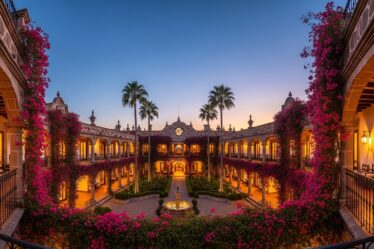
Vatican City, the smallest independent state in the world, is a unique blend of religious significance, rich history, and extraordinary art. Despite its tiny size, this city-state wields an influence that reaches across continents, drawing millions of pilgrims, historians, and travelers every year. Whether you are seeking spiritual enlightenment, artistic inspiration, or a glimpse into centuries of European history, Vatican City offers an unparalleled experience.
A Brief History of Vatican City
Vatican City’s origins are closely tied to the history of the Catholic Church. While Rome itself is ancient, the formal establishment of Vatican City as a sovereign entity occurred only in 1929, through the Lateran Treaty between the Holy See and Italy. However, the area’s spiritual significance dates back much further, to the burial site of Saint Peter, one of Jesus Christ’s apostles, whose tomb lies beneath St. Peter’s Basilica. Over centuries, popes transformed this area into a center of faith, governance, and culture, leaving a legacy that continues to inspire the world.
Vatican City’s unique status as both a religious and political entity makes it a fascinating destination. It functions as the spiritual headquarters of the Roman Catholic Church, while also maintaining its own governance, postal service, and even a small military force known as the Swiss Guard.
St. Peter’s Basilica: The Crown Jewel
No visit to Vatican City is complete without stepping into St. Peter’s Basilica, a monumental masterpiece of Renaissance architecture. Designed by luminaries like Michelangelo, Bramante, and Bernini, the basilica’s grandeur is breathtaking. Its dome dominates the skyline of Rome, while its interior houses priceless artworks, intricate mosaics, and the famed Pietà sculpture by Michelangelo.
Visitors can climb to the top of the dome for panoramic views of Vatican City and Rome beyond, offering a rare perspective on the city’s intricate layout and historical landmarks. Inside, the basilica serves not only as a religious sanctuary but also as a symbol of human creativity and devotion.
The Vatican Museums: A Treasure Trove of Art
Vatican City is home to one of the most extensive and prestigious art collections in the world—the Vatican Museums. Spanning centuries of human creativity, the museums include galleries dedicated to classical sculptures, Renaissance paintings, and contemporary art. Highlights include Raphael’s Rooms, the Gallery of Maps, and, most famously, the Sistine Chapel.
The Sistine Chapel, adorned with Michelangelo’s ceiling frescoes, attracts millions of visitors each year. Its depiction of the Creation of Adam and The Last Judgment are among the most celebrated works of art in human history. Walking through the Vatican Museums offers a journey through time, blending artistic brilliance with historical narrative.
Vatican City Gardens: Hidden Serenity
Beyond the bustling museums and basilicas, Vatican City is also home to serene gardens that occupy roughly half of the city-state’s territory. The Vatican Gardens are meticulously maintained, offering a tranquil escape from the crowds and a chance to appreciate the natural beauty that complements the city’s architectural wonders.
These gardens feature fountains, sculptures, and rare plant species, often accessible through guided tours. They provide a unique perspective on the lifestyle and contemplative spaces within Vatican City, allowing visitors to understand the harmony between nature, art, and faith.
The Role of the Pope and the Holy See
Vatican City’s spiritual authority is embodied in the Pope, who serves as the leader of the Roman Catholic Church and a global religious figure. The Pope resides within the Apostolic Palace, where he carries out his administrative duties and hosts international visitors.
The Holy See, the ecclesiastical jurisdiction of the Pope, governs Vatican City and maintains diplomatic relations with countries worldwide. This dual role as a religious and political entity underscores the city’s significance beyond its geographic size, making Vatican City a hub of faith, culture, and international influence.
Pilgrimage and Spiritual Significance
For devout Catholics, Vatican City is a place of pilgrimage, where spiritual devotion meets historical reverence. St. Peter’s Square, with its iconic colonnades designed by Bernini, is often the site of papal audiences, blessings, and major religious ceremonies. Millions gather to witness these events, experiencing a profound sense of community and faith.
The spiritual atmosphere of Vatican City extends beyond formal ceremonies. Quiet reflection in the chapels, participation in masses, or simply observing the city’s sacred art fosters a deep connection to centuries of religious tradition.
Practical Tips for Visiting Vatican City
Visiting Vatican City requires some planning to fully appreciate its treasures. Early morning visits can help avoid long queues, especially at the Vatican Museums and St. Peter’s Basilica. Booking tickets in advance and opting for guided tours allows for a deeper understanding of the city’s rich history and artwork.
Dress codes are strictly enforced in religious areas; modest attire covering shoulders and knees is mandatory. Additionally, exploring Vatican City on foot is the best way to absorb its atmosphere, from the grandeur of St. Peter’s Square to the quiet beauty of the Vatican Gardens.
Cultural and Artistic Influence
Vatican City has had a profound impact on Western culture and art. Its art collections have inspired countless artists and scholars, while its architecture has set benchmarks for religious and public buildings worldwide. The city’s commitment to preserving history, art, and faith demonstrates how even a small territory can influence global culture.
Furthermore, Vatican City hosts numerous exhibitions, concerts, and academic events, reinforcing its status as a living cultural institution. Its influence is not limited to religious followers; art lovers, historians, and travelers of all backgrounds find Vatican City to be a source of inspiration and knowledge.
Conclusion
Vatican City, though compact in size, offers an expansive experience of history, art, and spirituality. From the awe-inspiring St. Peter’s Basilica to the tranquil gardens, from the priceless art of the Vatican Museums to the enduring influence of the Pope, every corner of this city-state tells a story. Whether your visit is motivated by faith, curiosity, or cultural exploration, Vatican City promises an enriching journey that leaves a lasting impression.
Exploring Vatican City is more than a tourist experience; it is an immersion into a world where devotion, creativity, and history converge. For those who step into this extraordinary city-state, the memories, insights, and inspiration gained are truly timeless.